

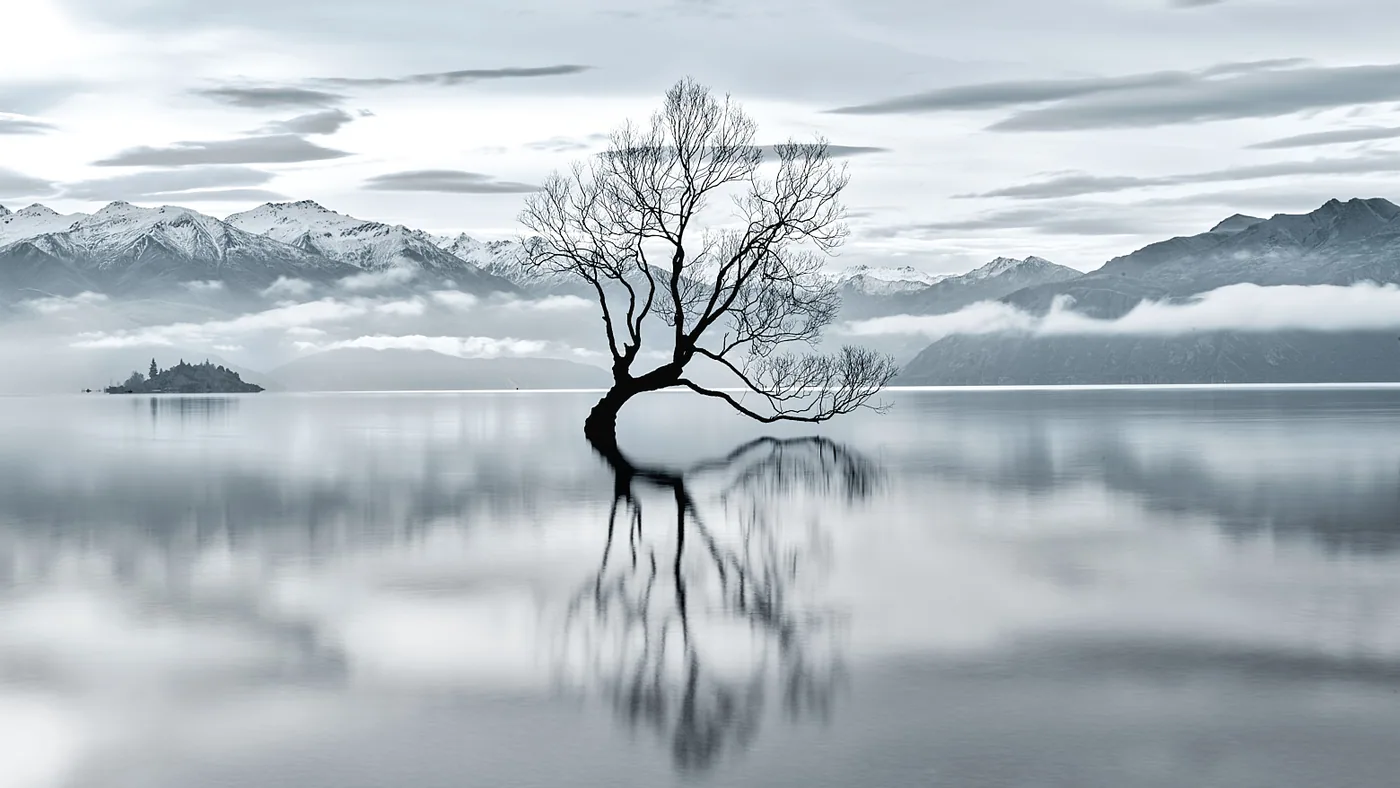
New Zealand's South Island is one of the world's great stages for landscape photography. The country offers an extraordinary range of subjects: vast mountain ranges, turquoise glacial lakes, ancient forests, and dramatic coastlines all within a few hours' drive. Whether you are drawn to the otherworldly peaks of the Milford Sound, the serene shores of Lake Wanaka, or the hidden waterfalls tucked into remote valleys, New Zealand landscape photography rewards both meticulous planning and spontaneous exploration.
Finding Your Composition
New Zealand's landscapes are visually abundant, which means the real challenge is not finding a beautiful scene but choosing the right frame within it. The most compelling images often emerge when you look beyond the obvious postcard views. While iconic locations like Mitre Peak — the 5,560-foot spire that rises from the water at the head of Milford Sound — draw photographers from around the world, the deeper art comes from spending time in a place, returning across different seasons and light conditions, and discovering what makes each moment unique.
Look for what photographers call threshold moments: passages of light breaking through mist, a river cutting through stone, a bridge spanning into shadow, or a road disappearing into forest. These compositional structures create a sense of movement and discovery, inviting the viewer to step into the scene rather than simply observe it from a distance. When composing, pay attention to how light enters and moves through the frame. New Zealand's clear air and dramatic topography create ideal conditions for this kind of visual storytelling.
The South Island's Prime Photography Regions
The South Island divides naturally into several distinct zones, each with its own character and photographic opportunities.
Lake Wanaka and Central Otago offer some of the clearest skies and most dramatic mountain light in the country. The famous Wanaka tree at sunset has inspired countless photographers, but the region rewards those who venture beyond the well-trodden paths. Early morning light across the lake's glassy surface and storm light approaching from across the mountains both offer compelling subject matter.
Milford Sound and Fiordland present some of New Zealand's most awe-inspiring scenery. The fjords rise steeply from dark water, with waterfalls cascading thousands of feet down granite walls. These landscapes demand patience and attention to weather. The mist and rain that make the fjords dramatic can also obscure views, so flexibility and multiple visits often yield the strongest work.
West Coast regions including the glaciers and rainforests offer lush, intimate imagery. The contrast between temperate rainforest and high-altitude ice creates layered landscapes full of tonal range and visual complexity.
Understanding New Zealand's Light
New Zealand sits in the Southern Hemisphere, which means the quality and angle of light differ significantly from what Northern Hemisphere photographers may expect. The sun moves across the northern sky, creating dramatic morning light on east-facing cliffs and golden evening light on west-facing peaks.
The country's southern latitude also means that twilight extends for longer periods, especially during the summer months. This extended blue hour provides excellent opportunities for landscape work that balances natural daylight with artificial illumination or remaining sky color — including night sky work, where the southern skies reward patient photographers. We made Jupiter rising over the Remarkables above Lake Wakatipu on exactly such a night, the planet clearing the ridgeline in still air.
Seasonal changes are marked. Summer (December to February) brings extended daylight and crowds, but also stable, clear weather in many regions. Winter (June to August) offers dramatic storm light, fresh snow on peaks, and fewer tourists, though certain high-altitude passes become inaccessible. Spring and autumn provide moderate light, comfortable temperatures for hiking to remote viewpoints, and often clearer skies than midsummer.
Water, Mist, and Atmosphere
Water defines much of New Zealand's landscape photography. Glacial-fed lakes shimmer in brilliant turquoise. Rivers carve through canyons. Mist rises from valleys and fjords, creating layers of depth and mystery.
When photographing water scenes, consider these approaches:
- Use longer exposures (several seconds) to smooth waterfalls and moving water into silk-like forms, revealing the motion rather than freezing it
- Capture still water at dawn, when the surface acts as a mirror and doubts perspective and scale
- Include mist as a compositional element rather than an obstacle, using it to create separation between landscape layers
- Pay attention to the color of water itself, whether crystalline turquoise, deep blue, or darkened by tannins from surrounding vegetation
Working with Weather and Timing
New Zealand's weather is changeable and dramatic. This is not a limitation but an asset for landscape photography. A clear, blue-sky day can yield pleasant images, but a sky moving with storm clouds, a band of mist lifting from a valley, or rain-scrubbed light often produces more emotionally resonant work.
Plan your shoots around the edges of weather systems. Arrive a day early and stay a day late. Shoot during the golden hours, when the sun is low and color saturation increases. Build in time for returning to a location across multiple visits. The strongest landscapes often reveal themselves through repetition and attentiveness rather than luck.
Creating Depth and Scale
New Zealand's mountains and fjords are genuinely immense, but conveying that scale in a photograph requires intention. Include an element of human scale: a lone figure on a hillside, a small building nestled against a vast cliff, a hiking trail switchbacking up a mountainside. These anchors help viewers understand the true size of the landscape. I'm more a fan of finding scale within the composition rather than the insertion of the "heroic human," but this is a choice of personal taste.
Use foreground, middle ground, and background to create layered depth. A rock formation, a stand of native beech, or a river in the immediate foreground draws the viewer's eye into the image and establishes spatial recession. This threshold approach, moving from known scale into vast landscape, creates a pathway for the viewer to experience the scene as an explorer rather than a distant observer.
Planning Your New Zealand Photography Journey
Successful landscape photography in New Zealand combines research, flexibility, and time. Start by identifying regions that match your interests: glacier work, forest light, alpine terrain, or coastal drama. Book accommodations near these areas rather than trying to drive extensively each day.
Study the light maps and seasonal sun positions for your chosen locations. This research takes only minutes but dramatically improves your ability to predict where light will fall. Connect with local photographers and guides who understand the region's access points and seasonal conditions. The New Zealand Department of Conservation publishes current track conditions, hut availability, and access closures for Fiordland and the national parks — essential reading before heading into remote areas.
Allocate more time than you think you need. A week in one region typically yields stronger work than two weeks of constant travel. The deeper you go in a place, the less obvious the photographs become, and the more your personal vision shapes the work.
The Reward of Patience and Return
New Zealand's landscapes are not going anywhere. This means you can return to a location across seasons, in different weather, with growing knowledge of how light moves through the space. The New Zealand photography that resonates most often comes from photographers who have invested time in relationship with a place rather than those rushing to check off a list of famous viewpoints.
The goal of landscape photography is not to simply document what exists but to reveal what it feels like to stand in that place, to share the emotion and beauty that moved you to raise your camera. New Zealand offers endless material for this kind of work. The mountains, water, light, and atmosphere are all collaborators in the process. Your job is to show up, pay attention, and let the landscape speak through your vision.