

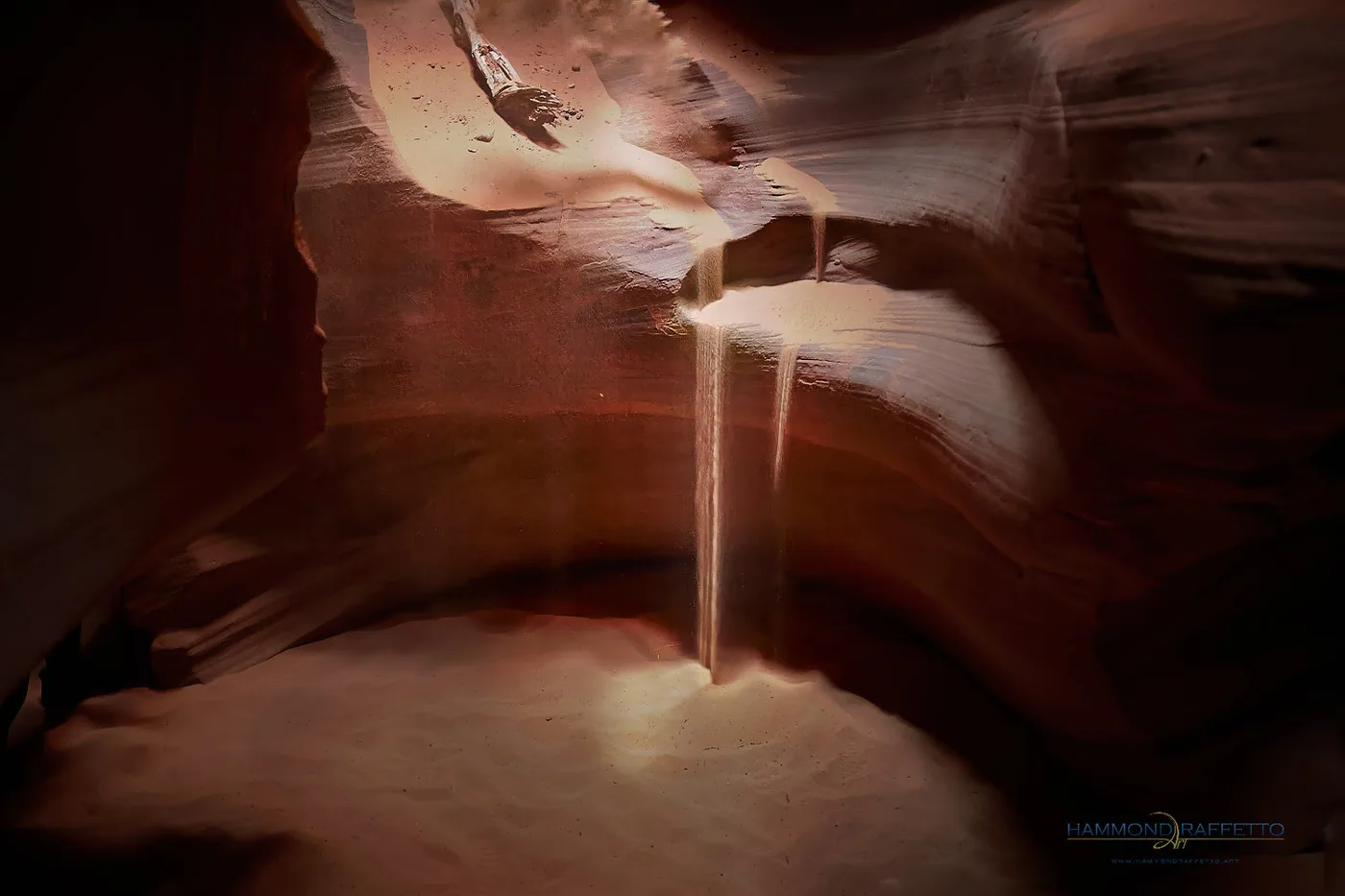
Composition is the difference between a snapshot and a photograph that stops people in their tracks. When you step in front of a landscape, you are not simply recording what is there. You are choosing what matters, how the viewer's eye will move through the frame, and what emotion the image will carry. Understanding photography composition rules gives you the language to make those choices intentionally.
Hammond Raffetto Art explores this principle across a diverse portfolio of landscapes: from the ancient redwood forests of Northern California to the stark beauty of Iceland's waterfalls, from Yosemite's towering granite to the moody canals of Burgundy. In every image, composition is the backbone. The rules that follow are not constraints. They are tools that help you see more clearly and translate what you feel into what others see.
The Rule of Thirds in Landscape Photography
The rule of thirds landscape approach divides your frame into nine equal sections using two horizontal and two vertical lines. Rather than centering your subject, you place it along one of these lines or at an intersection point. This creates dynamic tension and invites the viewer to explore the entire frame instead of fixating on the center.
In practice, this might mean placing the horizon in the upper third if the sky is dramatic, or in the lower third if the foreground is rich with detail. A solitary tree, a striking rock formation, or a distant mountain peak becomes more powerful when positioned off-center. The rule of thirds works because it mirrors how our eyes naturally scan a composition and how we perceive balance in art.
The beauty of this rule is that once you understand it, you can break it. But you break it with intention, not by accident. Some of the most compelling landscape photographs use centered compositions precisely because they are deliberate choices, not defaults. The Wanaka Tree and its reflection in Lake Wanaka is exactly this: the centered horizon is the composition, not a mistake.
Framing Your Subject
Framing means using elements within your scene to draw attention to your subject. A narrow passage between two trees frames a distant mountain. A rocky arch or canyon wall can frame a waterfall or distant vista. The frame creates a sense of depth and guides the viewer's eye inward, like a doorway into the image.
Look for natural frames as you scout a location: tree branches overhead, rock formations, buildings, or water reflections. These elements do not need to fill the entire edge of your frame. Even a subtle suggestion of framing adds sophistication and compositional control. When you use framing well, the viewer feels welcomed into the scene rather than observing it from a distance.
Leading Lines and Visual Flow
Leading lines are paths that guide the viewer's eye through your composition. A river, a road, railroad tracks, a row of fence posts, or a fallen log can all serve this purpose. These lines are most powerful when they begin in the foreground and extend toward the background, creating a sense of movement and depth.
Leading lines work because they tap into how we naturally navigate space. Our eyes follow paths. A photograph that uses leading lines feels less static. It feels like an invitation to step forward and explore. Consider how a winding creek or a hiking trail can pull the viewer deeper into the frame, or how the lines of waves on a shore can direct attention toward a cliff or lighthouse in the distance. We have found this most viscerally on the Generals Highway through Sequoia National Park — the road as leading line, the giants as the destination it is always pointing toward — where the logic of the device becomes impossible to argue with.
The strength of leading lines is magnified when they follow the rule of thirds. A river that curves from the lower left corner to the upper right, crossing through the intersection points of your thirds grid, combines two powerful compositional ideas into one cohesive image.
Depth and Layering
Landscape photography composition gains power when you create distinct layers: foreground, middle ground, and background. Each layer should contain visual interest. This three-part structure mimics how we see the world in person and translates that sense of depth onto a flat image.
Foreground elements might include rocks, flowers, fallen trees, or water. The middle ground often contains the main subject: a mountain, forest, or architectural element. The background provides context and scale. When all three layers are rich with detail and properly lit, the viewer's eye travels through the entire composition rather than stopping at the most obvious point.
Layering also creates a sense of emergence and passage. Images staged with clear depth often convey a movement from one state to another, from enclosure to illumination, from the familiar to the transcendent. This principle aligns with how fine art photography at Hammond Raffetto Art—as in this image of forest light in the distance from Bridalveil Creek—often stages a threshold or doorway that invites the viewer through the frame.
Negative Space and Restraint
Negative space is the area around and between objects. A vast sky, a calm expanse of water, or an empty stretch of desert might seem like wasted space, but negative space is essential to composition. It provides rest for the eye and emphasizes your subject by contrast.
Many photographers fill every corner of the frame, worried about empty space. Restraint is often more powerful. A solitary rock on a beach, a lone tree in a meadow, or a distant building on a barren landscape gains presence and dignity when surrounded by space. Negative space also conveys loneliness, vastness, or peace, depending on the subject and mood you want to create.
The most compelling landscapes sometimes contain more sky or water than they do land. The absence of detail can be as eloquent as abundance.
Color, Tone, and Visual Harmony
Composition extends beyond line and shape to include color relationships and tonal contrast. Warm colors tend to advance toward the viewer, while cool colors recede. A solitary warm-toned tree in a cool-toned forest becomes a focal point through color composition alone.
Tonal contrast is equally important. A bright subject against a dark background, or vice versa, creates immediate visual hierarchy. When you expose for the highlights in a landscape photograph, the shadows deepen and recede. When you expose for the shadows, the bright areas become the focal point. These are compositional choices that shape how the viewer experiences the image.
Images like those in Hammond Raffetto Art's portfolio often use monochromatic or muted palettes to emphasize form and light. When color is present, it is deliberate: a warm sunrise illuminating mist, a jewel-tone sky reflecting in still water, or the red-orange of ancient rock formations against deep blue shadows.
Practice and Intentionality
Mastering landscape composition rules requires returning to locations across seasons and times of day. The light changes. The mood shifts. Your eye develops the habit of seeing compositionally, of noticing where lines lead and where depth exists. You begin to anticipate how a small shift in your position or perspective will change the entire balance of the frame.
The photographers behind Hammond Raffetto Art often spend hours at a single location, returning across days or seasons before settling on a composition. That investment of time and attention is visible in the work. Every element serves the image. Nothing is accidental.
As you develop your landscape photography composition skills, remember that these rules exist to help you see more clearly and communicate more powerfully. Start with the rule of thirds, add a leading line or strong frame, build depth through layering, and allow negative space to breathe. Over time, composition becomes intuitive. You will know instantly where the power lies in a scene and how to reveal it. The rules become invisible, absorbed into your vision, leaving only the emotional truth of the landscape itself.