

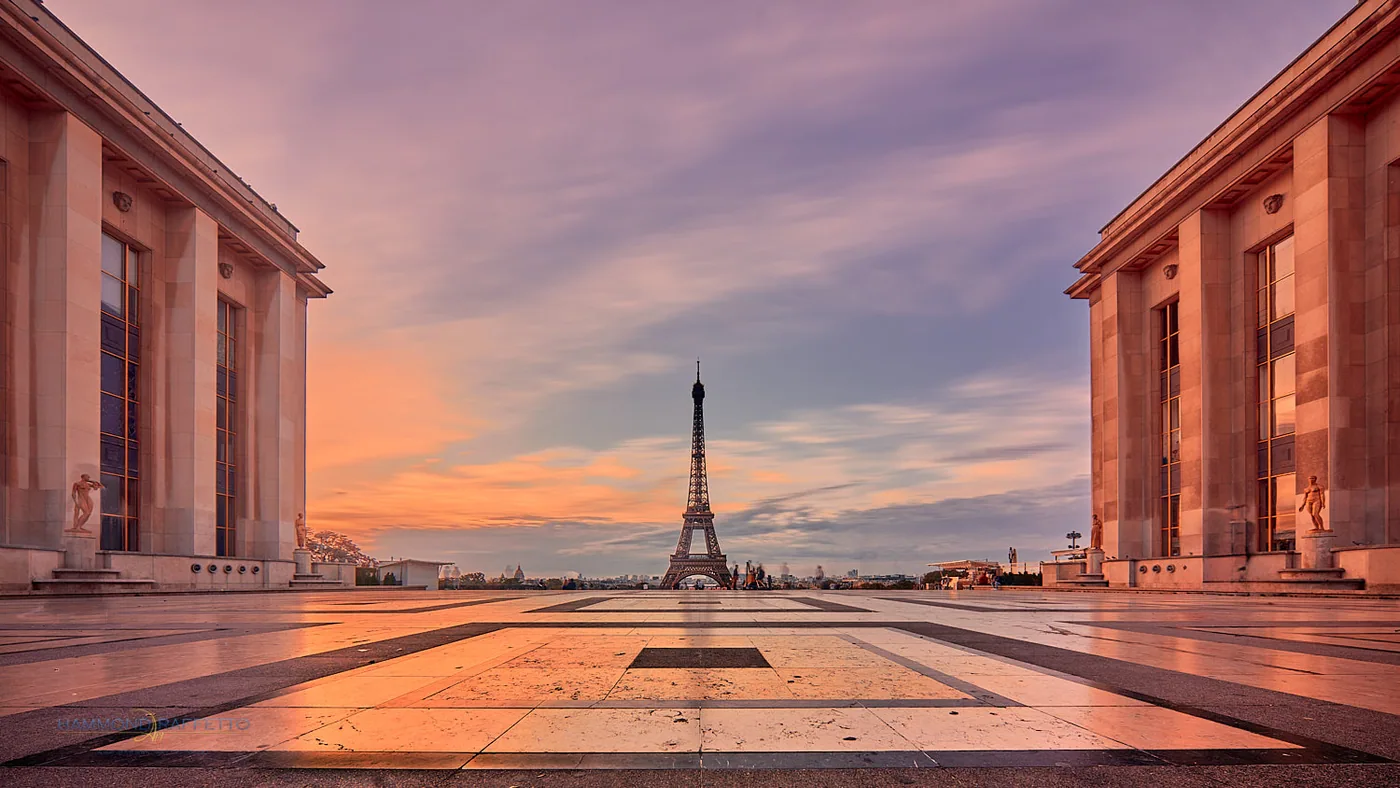
Paris has long inspired artists and photographers with its elegant boulevards, timeless monuments, and the gentle flow of the Seine. Whether you are drawn to the city's iconic landmarks or its quieter, more intimate corners, Paris offers endless opportunities for compelling imagery. The best photo spots in Paris are those that capture both the grandeur and the soul of the City of Light.
When planning a photography trip to Paris, timing and location are everything. The light changes throughout the day, revealing different moods in the same place. A quiet bridge at dawn becomes a completely different subject in the afternoon sun. This guide explores the essential Paris photography locations that will help you see the city as photographers and artists have for generations.
The Seine and Its Bridges
The Seine is the lifeblood of Paris, and it offers some of the most rewarding photography opportunities in the city. Early morning light on the water creates a mirror-like surface that reflects the surrounding architecture with stunning clarity. The river itself becomes a subject, not just a backdrop.
The bridges spanning the Seine are equally compelling. Pont des Arts, Pont Alexandre III, and Pont Neuf each have their own character. Photograph them from the water level, from the opposite bank, or from their centers at different times of day. The interplay of stone, water, and light creates natural compositions that reward patient observation. Consider visiting during the golden hour, that brief window after sunrise or before sunset when the light takes on a warm, honeyed quality that feels almost ethereal.
The Eiffel Tower at the River Seine reveals how dramatically the tower's reflection transforms the riverscape. The tower's iron geometry reflected in still water creates layered compositions full of depth and meaning.
The Eiffel Tower and Surrounding Views
The Eiffel Tower is the subject of countless photographs, yet it continues to offer fresh possibilities. The key is finding a vantage point that feels personal rather than generic. Instead of standing directly beneath it, explore the surrounding parks and gardens.
Trocadero is perhaps the most famous viewpoint, and for good reason. The plaza offers an expansive view of the tower framed by formal gardens and classical fountains. The human dimension matters here as well. Early morning or late evening allows you to capture the tower with softer crowds and more dramatic light.
Less crowded alternatives include the gardens along the Quai d'Orsay, the banks near the École Militaire, and the perspectives from Pont d'Iena. Each offers a distinct relationship between the tower and the surrounding city. The tower is never just one thing in Paris. It is an anchor point, a reference, a measure of scale and distance.
Dawn on the Seine and Misty Mornings
Many of the finest photographs in Paris are made in the early morning, when mist still clings to the water and the city feels quiet and contemplative. The light at dawn is soft and even, without harsh shadows. Colors become more subtle and complex.
Dawn on the Seine captures this mood perfectly, where the river becomes an ethereal landscape of reflected light and atmospheric depth. Misty mornings transform familiar landmarks into something dreamlike and unfamiliar, revealing a different side of Paris.
To photograph Paris at dawn, you will need to wake early and find your location before sunrise. Bring a tripod. The light is often dim enough to require longer exposures, and a sturdy tripod ensures sharp images without camera shake. Position yourself low, near water level when possible, to emphasize the mist and reflections.
Historic Districts and Atmospheric Streets
While landmarks dominate Paris photography, some of the most evocative images come from the city's residential neighborhoods. The Latin Quarter, Marais, and Montmartre contain narrow streets, weathered facades, and small plazas that reveal the texture of daily Parisian life.
These areas reward close observation. Look for:
- Light falling across a stone doorway
- Shuttered windows with peeling paint
- Archways framing distant views
- Staircases leading upward into shadow
- Café tables on cobblestone streets
- Ivy climbing old building walls
The Trocadero area and surrounding districts offer a combination of the monumental and the intimate. Trocadero showcases how formal spaces can be photographed with depth and nuance, revealing both structure and human presence.
Reflections and Window Compositions
Paris is a city of reflections. Wet streets after rain, shop windows, building facades mirrored in water, and the glass surfaces of modern structures all create opportunities for layered, complex compositions. These images often surprise us with unexpected juxtapositions: the ancient and the contemporary side by side, people glimpsed through glass, the interior world meeting the exterior.
Window photography is particularly rewarding in Paris. The city's apartments and shops often have beautiful display windows that frame the life within. Photograph these with intention. Look for moments where multiple layers of reality appear in the same frame: the street reflection, the window content, and the world beyond.
River reflections are especially powerful during calm mornings. The water becomes a mirror that doubles the visual information in your frame, creating balance and symmetry that feels almost musical.
Planning Your Paris Photography Expedition
Successful Paris photography is not about having the latest equipment or following a predetermined list. It is about seeing the city with patience and presence. Spend time in one location. Return to the same place at different times of day. Notice how light transforms the familiar into something new.
Move slowly through the streets. The best photographs often come from standing still, observing, and waiting for the light and moment to align. Paris reveals itself to those who pay attention.
The photographs you make in Paris will become touchstones for your experience of the city. They will remind you of how it felt to stand on a bridge at dawn, to feel the weight of history in a quiet street, to sense the passage of light across water. Hammond Raffetto Art's portfolio demonstrates how fine art photography captures not just places, but the emotional resonance of being present in them. Start exploring the city's light, composition, and character, and let Paris speak through your lens.