

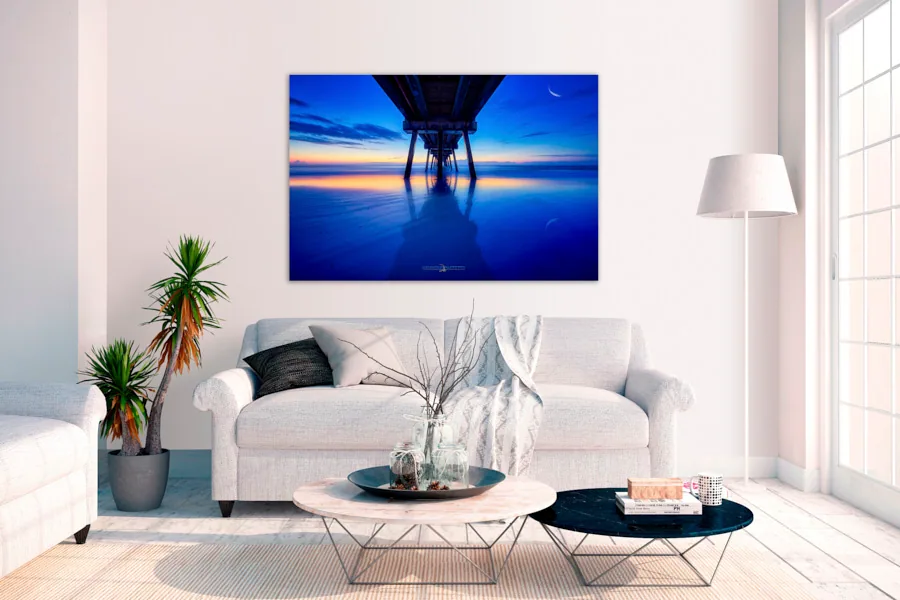
Your living room is often the first space visitors notice, and it's where you spend time with the people you love. It's also where your personal taste takes center stage. Wall art for living room ideas can transform a plain space into a reflection of who you are, especially when you choose pieces that resonate with you emotionally.
Fine art prints have a unique power. Unlike generic wall decor, thoughtfully curated imagery can set the tone for an entire room, draw the eye, and spark conversation. Whether you're designing from scratch or refreshing an existing space, the right landscape or travel photography can elevate your living room from nice to memorable.
Choose a Focal Point That Moves You
The most effective living room galleries start with a single piece that commands attention. This is your anchor, the image that everything else in the room should complement.
Consider what speaks to you. Do you dream of ancient redwood forests bathed in morning light? Are you moved by the architecture of distant cities? Maybe you're captivated by the raw power of Icelandic waterfalls or the quiet mystery of Burgundy canals. Perhaps, like our image Ultramarines above, it's a bold pier jutting into the ocean at dawn. The strongest focal point is one that makes you pause when you look at it, that reminds you of a feeling you want to carry with you every day.
A large-format landscape photograph works beautifully as your main focal point. It draws the eye, fills wall space with impact, and sets a mood. Hang it at eye level above a sofa, fireplace, or console table where it becomes the natural gathering point in the room.
Build Layers Around Your Vision
Once your focal piece is in place, you have options. You can let it stand alone, or you can build a complementary gallery around it. If you choose the gallery approach, the key is visual breathing room and intentional pairing.
Consider these approaches:
- A single large statement piece surrounded by generous white space
- Two or three smaller prints arranged in a deliberate grid or offset pattern
- A horizontal composition that mirrors the width of your sofa or console
- A panoramic landscape that draws the viewer's eye across the wall
The unifying thread should be your own sense of beauty. If you're drawn to cool tones and moody skies, lean into those. If you love warm light breaking through trees or reflecting off water, let that guide your selection. Consistency in mood and palette creates harmony without feeling sterile. If you're a cityscape fan, consider something bold and dramatic, maybe even monochrome.
Scale and Placement Matter
The size of your print shapes how your room feels. A small print on a large, empty wall gets lost. A print scaled appropriately to your wall and furniture becomes a design partner, not an afterthought.
For most living rooms:
- Above a sofa: Choose a print that's roughly two-thirds to three-quarters the width of the furniture
- Above a console or side table: A smaller or more vertical piece can work well
- On a fireplace wall: Let the print breathe with plenty of white space on either side
- In a corner gallery wall: Build slowly, starting with your strongest piece, then add supporting images
Hang artwork at eye level when possible. When you're standing in the room, the center of the frame should sit around 57 to 60 inches from the floor. This simple rule makes every piece feel intentional and accessible.
Complement with Your Room's Existing Elements
Wall art for living room spaces doesn't exist in isolation. It lives alongside your furniture, lighting, and textiles. The best choices feel like they belong in their setting.
Think about your existing color palette. If your sofa is warm gray or cream, imagery with natural wood tones and golden light integrates beautifully. If you have darker furnishings, a dramatic landscape with deep shadows and luminous highlights can echo and enhance those tones. If your room is very neutral, a print with jewel tones or rich texture becomes even more striking.
Lighting matters too. Natural daylight changes how your art appears throughout the day. If your living room gets strong afternoon sun, consider how a photograph will look bathed in that light. Some of the most moving moments in photography come from how light moves across a scene, and seeing that light interact with your own room's illumination creates a subtle poetry.
Finding Authenticity Over Trends
The living rooms that feel most alive are those where the art reflects genuine passion, not what's fashionable this season. A photograph of a place that moved you, a landscape that stopped you in your tracks during a journey, or a scene from nature that reminds you to slow down, these choices endure.
When you browse galleries of landscape and travel photography, ask yourself: Does this image make me want to look at it again tomorrow? Does it evoke something I want to feel in my home? Fine art prints should reward repeated viewing. They should work as both visual interest and emotional anchor.
Live with Your Choices
One final thought: there's no need to get everything right immediately. Curators and collectors often live with their artwork before deciding where it truly belongs. Lean a large print against a wall for a few days. Notice how it feels at different times of day. See how your eye travels through the room when that image is present.
Your living room is the stage for your daily life. The wall art you choose becomes part of that backdrop, a daily reminder of beauty, journey, and the moments that move us. Choose pieces that tell the story of what matters to you, hang them with intention, and let them transform your space into something authentically yours.
When you find the right image, you'll know. It's the print that makes you pause, that invites people into conversation, that feels like it was always meant to be on that wall. That's the goal, and it's worth taking the time to find.