

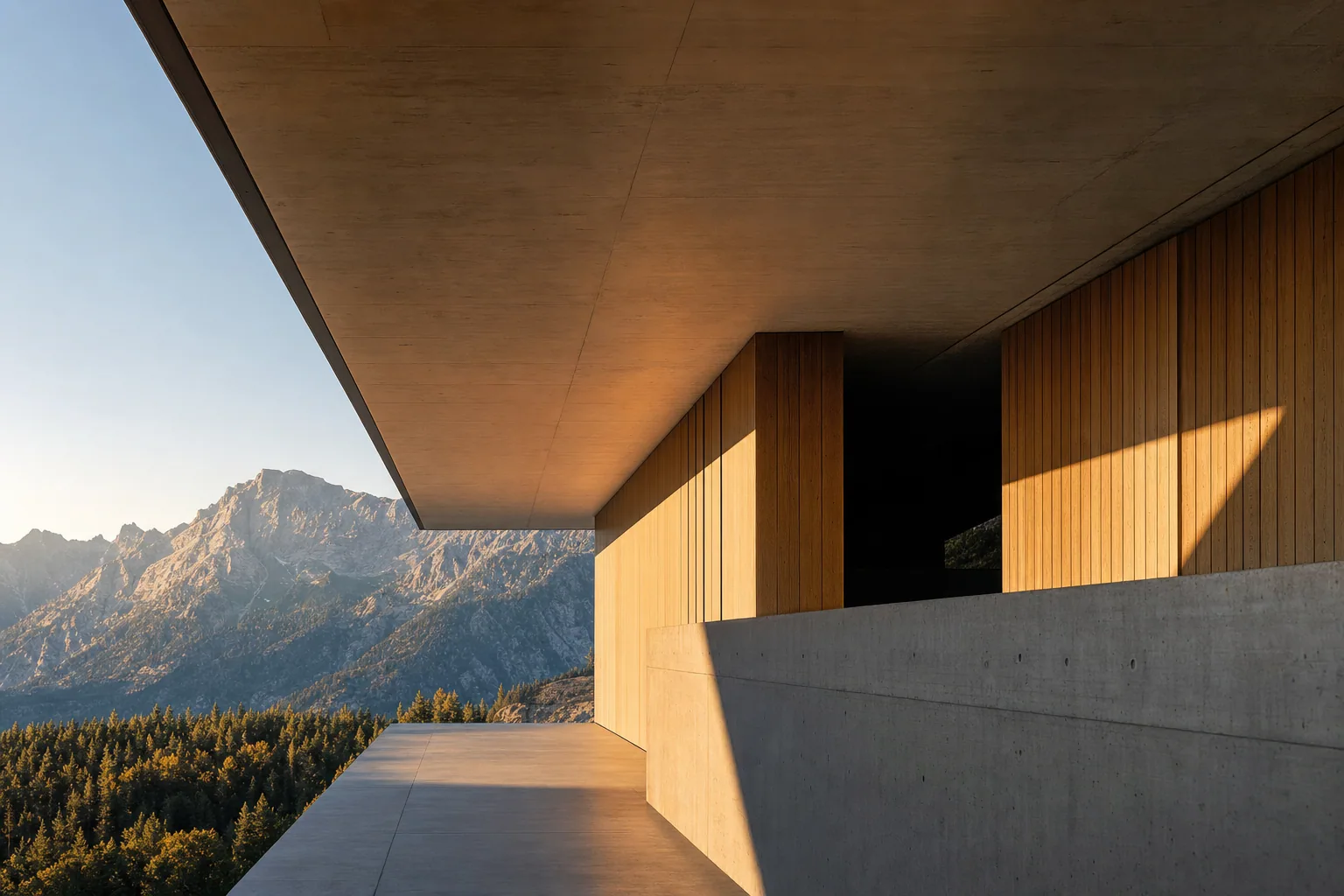
Architecture offers one of the most rewarding subjects for fine art photography. Buildings provide structure, geometry, and drama, yet capturing them well requires understanding composition principles that elevate a simple photograph into compelling artwork. Whether you're drawn to soaring skyscrapers, historic facades, or the geometric interplay of modern structures, learning to compose architecture thoughtfully will transform how you see the built world.
Understanding Compositional Foundations in Architecture
Architecture photography composition starts with recognizing that buildings are already composed. Architects have placed walls, windows, doors, and structural elements with intention. Your job as a photographer is to find the perspective that reveals or enhances that design. Before raising your camera, spend time observing the structure from multiple angles. Walk around it. Notice how light falls on different facades at different times of day. See which vantage points emphasize the building's essential character.
The strongest architectural photographs often isolate a single strong idea rather than trying to show everything at once. This principle of simplification is what separates a casual snapshot from a fine art image. By removing clutter and focusing on a specific geometric relationship or interplay of light and shadow, you create clarity and impact.
Leading Lines and Directional Flow
Buildings are full of lines. Walls recede into distance. Roof edges create sharp diagonals. Windows align in grids. Stairs climb upward. These lines are not merely decorative; they are compositional tools that guide the viewer's eye through the frame.
Leading lines work best when they move deliberately into or across the image. A row of columns leading toward a distant vanishing point draws the eye deep into the photograph. A roofline that angles from lower left to upper right creates dynamic tension. Horizontal lines suggest stability and calm; vertical lines convey strength; diagonal lines suggest movement and energy.
When composing architecture, ask yourself: what line wants to lead the viewer? Position your frame so that line originates near the edge of the composition and travels toward the center or toward a focal point like a doorway, window, or distant architectural feature. This creates a natural visual journey that holds attention.
Framing and Perspective
Your choice of camera position determines perspective. Shooting directly at a building's face emphasizes its surface and frontality. Shooting from a corner emphasizes depth and three-dimensionality. Shooting from below (looking upward) makes structures feel imposing and monumental. Shooting from above suggests scale and pattern.
Consider whether you want to show the building as an object in space, or whether you want to emphasize its facade as a two-dimensional surface. If you're after fine art photography that resonates emotionally, perspective should serve your creative intention, not happen by accident.
Framing also means deciding what to include and exclude. Tight framing that captures only a detail, like a series of arches or a pattern of windows, can be as powerful as a wide shot showing the entire structure. Often, photographers make their images stronger by zooming in rather than pulling back. A close crop eliminates visual noise and focuses attention on form, texture, and the interplay of light and shadow.
Light and Shadow as Sculptural Elements
Light does not simply illuminate architecture; it sculpts it. Strong, directional light creates shadow that defines form and adds dimension. Soft, diffuse light flattens texture. The angle and quality of light can make the same building look completely different from one hour to the next.
Golden hour light, near sunrise or sunset, skims across building facades and creates pronounced shadow play. This is often ideal for architectural photography because it reveals texture and emphasizes three-dimensionality. Overcast light, by contrast, minimizes shadow but can reduce the visual impact of the structure. Many architectural photographers learn to return to the same location across different seasons and times of day, waiting for the light that brings out the building's character.
Shadow itself becomes a compositional element. The shadow cast by a building, a tree, or an architectural element can frame your subject or create negative space that balances the composition. In conceptually speaking, architectural photographers often explore how shadow and light interact to create meaning.
Working with Urban Complexity
Urban architecture photography often means dealing with cluttered backgrounds, power lines, neighboring structures, and visual competition. Rather than fighting this complexity, many photographers embrace it.
You can:
- Find a vantage point that isolates your subject against a clean background like sky or a neutral-toned building face.
- Position your subject so that foreground or background elements frame it rather than distract from it.
- Zoom in tightly to eliminate surrounding context and focus on a specific detail or facade.
- Shoot at night or in low light when surrounding elements fade or disappear into darkness.
- Wait for weather conditions like fog or rain that reduce visibility of distracting elements and add atmospheric mood.
The key is intentionality. If complexity is in your frame, it should be because you chose it for compositional or conceptual reasons, not because you failed to notice it.
Balancing Structure and Negative Space
Fine art architecture photography often relies on the relationship between built form and empty space. Negative space is not wasted space; it's compositional breathing room that allows the viewer to focus on your subject and feel its scale and presence.
Imagine a tall skyscraper photographed against a clear sky. If the building occupies only a small portion of the frame, the vast empty sky around it emphasizes the building's verticality and isolation. If the building fills the frame, the composition feels compressed and claustrophobic. Neither is inherently right; your choice depends on the feeling you want to convey.
In minimalism maxed, the power of negative space becomes especially clear. Reducing a composition to its essential elements and letting emptiness surround those elements creates a meditative, contemplative quality that attracts viewers who appreciate fine art imagery.
Timing, Patience, and Return Visits
The strongest architectural photographs often result from patience and planning. This might mean scouting a location in advance, researching when the light will be best, returning across multiple seasons, or waiting hours for the right weather or time of day.
Hammond Raffetto Art's architectural portfolio spans iconic structures from Paris to New York to small-town American buildings, many photographed repeatedly across years to capture different conditions and moments. The artists have found that returning to a location with fresh eyes reveals new compositions and deepens appreciation for the subject.
When you begin to study architecture photography seriously, expect your best images to come from sites you've visited more than once. First visits are reconnaissance. Subsequent visits are creative exploration.
Bringing It Together
Architecture photography composition is the art of seeing structure, light, and form as expressive elements rather than mere documentation. By understanding leading lines, perspective, light, and negative space, you can move beyond casual building photos toward fine art imagery that conveys emotion and reveals beauty in the built world. Start by choosing a building you admire, visit it at different times and seasons, and commit to exploring its possibilities through multiple perspectives and lighting conditions. Over time, you'll develop an eye for the compositions that speak most powerfully to you.